The bond system sits at the intersection of liberty, public security, and administrative performance. It asks a practical concern with moral weight: can we safely launch a person accused of a crime while their situation moves with a congested court calendar. When the person has a record of previous apprehensions or previous failings to show up, that question obtains harder. Repeat wrongdoers do not fit neatly right into the assumptions that support bond schedules and regular release decisions. Threat surges, judges tighten conditions, and the margin for error narrows for everybody included, including the implicated, targets, the court, and the bail representative that uploads the bond.
I have actually spent years watching what actually makes a case be successful or untangle after launch. There are patterns, and there are exemptions. A prior record does not automatically forecast failing, yet it strongly affects the choices that adhere to an arrest. Comprehending those dynamics, after that tailoring techniques to the individual, is the only means to handle bail responsibly in repeat-offense scenarios.
Why repeat status reshapes the bail conversation
Bail, at its core, is created to guarantee appearance in court and protect neighborhood security, not to penalize. In practice, judges and pretrial solutions evaluate danger utilizing a mix of statutory aspects and experience. Prior convictions, probation or parole standing, and previous failures to appear carry actual weight, especially when the new charge looks like prior conduct.
A newbie defendant on a low-level, nonviolent charge may obtain launch on recognizance with a tip message. Repeat offenders generally face higher bail quantities, tighter restrictions, or pretrial apprehension. District attorneys have a sharper debate: this accused has a performance history that correlates with danger. Defense counsel counters with mitigating facts, area support, treatment interaction, or the specifics of the brand-new situation. Bail representatives, if entailed, need to examine both the economic danger and the useful risk of disobedience, due to the fact that a forfeiture harms twice, in bucks and credibility.
The result is an extra complex, extra breakable pretrial duration. The stakes are higher for every person, especially when several territories or pending probation instances remain in play.

The risk factors that matter most
Not all priors are developed equal. 2 people can each have "3 priors" on paper and pose really various levels of danger in the real world. What actually relocates the needle:
- Recent failings to show up, especially within the previous two years. Pending probation or parole with previous technical violations. A pattern of the same crime kind, particularly property or drug offenses connected to instability. Unstable real estate, neglected compound use, or unattended psychological health and wellness issues. Open cases in greater than one area or state.
Those variables commonly stack. A person living in a motel with no auto, handling court in 2 counties, while trying to maintain a perilous task, misses out on hearings for foreseeable, human reasons. The system treats those misses as danger signals, and bond terms harden. When individuals stabilize real estate, therapy, and transportation, failure prices drop visibly, which is why many workable options start outside the courtroom.
How bail schedules and laws tighten around repeat offenders
Most territories release a bail schedule for usual costs, a starting factor for quantity and kind. Repeat standing shapes the timetable in 3 ways. First, enhancements for prior sentences, such as a strike prior, raise the presumptive bail level. Second, many statutes mandate apprehension or limit launch for certain mixes of priors and brand-new fees. Third, judges have broad discretion to add conditions, from GPS surveillance to safety orders, time limits, and arbitrary testing.
On paper, these measures target danger. In technique, they create sensible obstacles: accuseds need to browse a snow storm of compliance demands. An individual with restricted phone access currently needs to check in 3 times a week, answer calls from 2 instance supervisors, attend 2 treatment teams, maintain a GPS device billed, and appear in court at 8:30 a.m. in a region an hour away. One missed bus or shed charger cascades into technical violations that appear like defiance, even when they are the product of destitution and logistics.
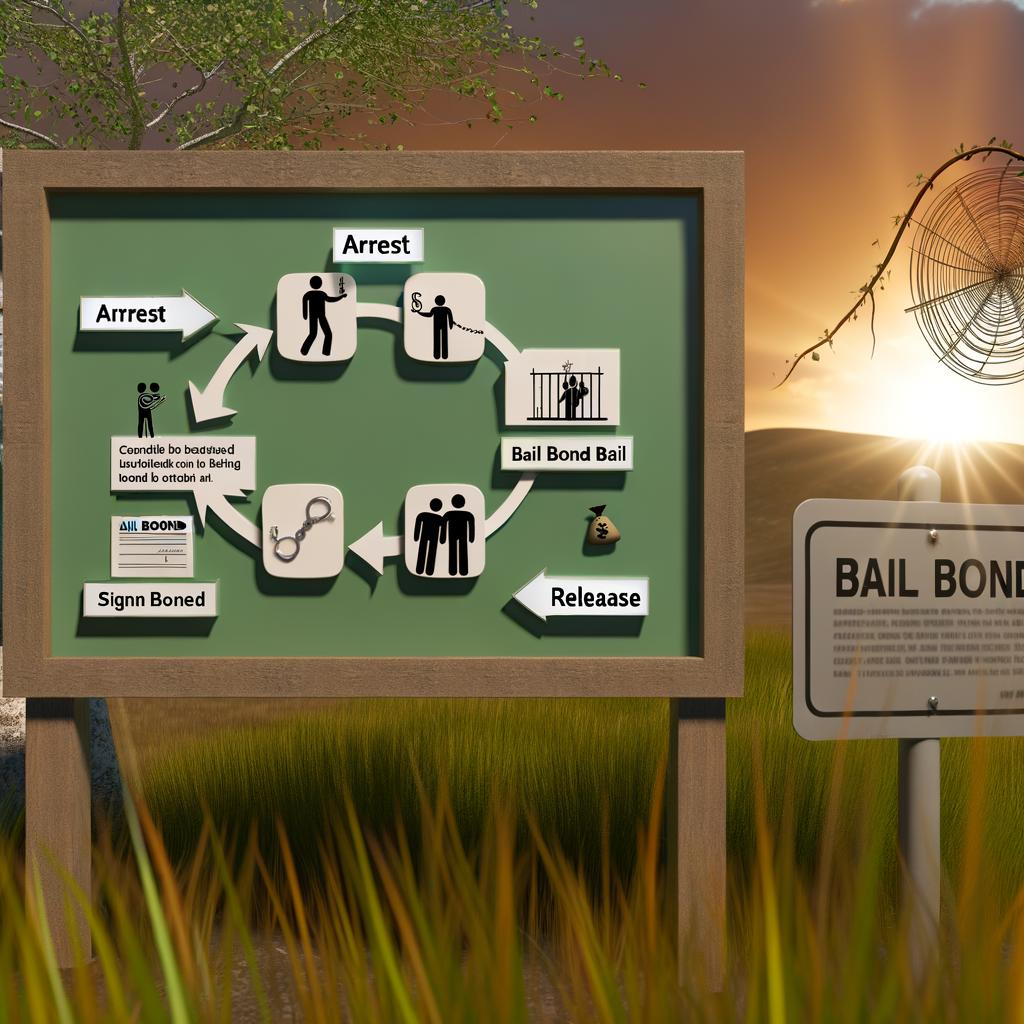
A court can, and often will, call for a secured bond as opposed to release on recognizance for a repeat culprit. That welcomes a bail bond right into the photo. The bond amount, costs, and security will mirror both the severity of the fee and the threat markers. If there is a history of bench warrants, a trusted bail bondsman will either decline the case or problem authorization on robust supervision.
The bail representative's calculus when priors get on the file
Bail bond business are not simply loan providers. They are threat supervisors with skin in the video game. For repeat wrongdoers, the underwriting discussion moves from, "Can you pay the premium," to, "Just how will we avoid failure." The costs percentage might be common by statute, but the security and co-signer requirements transform with danger. A secure co-signer with verifiable revenue, a tidy document, and neighborhood connections is worth greater than a pawned automobile with questionable title. Serious agents will certainly ask hard concerns: Where will certainly you live tonight. That will certainly drive you to court. Which phone number never turns off.
I have actually seen great bond agents decrease a bond due to the fact that the intend on the table was fairy dust. I have actually additionally seen them save situations by constructing a concrete support internet in 24 hr: a sober-living positioning, a printed court schedule with transport courses, and 3 call pointers prior to the very first hearing. The distinction is mindset. With repeat transgressors, the bond is not a piece of paper, it is a task plan.
Where defense method must adapt
Lawyers that deal with repeat-offense bond hearings understand that debate on the regulation is required yet inadequate. Courts desire a reliable strategy. A thin pledge, "He will abide," collapses under the weight of the record. What works much better is a plan with structure:
- A release address that the court can validate, and that probation or pretrial services has cleared. Proof of registration or placement in treatment, housing, or work that addresses the root motorists of reoffending. A transport strategy with specifics, not "public transportation." A pre-negotiated bond with conditions the bond representative can sustain and enforce.
Judges often react to information. A letter from a program supervisor that anticipates the accused at intake tomorrow at 9 a.m. brings even more weight than an obscure plan to "seek help." A hard copy of bus courses and a dedication from a co-signer to give rides to the very first 2 hearings decreases the chance of a missed look in the prone initial month. These are tiny, unglamorous actions, but they move outcomes.
Collateral, co-signers, and ethical guardrails
Working with repeat transgressors can tempt every person included to overreach for protection. I have actually seen families put up their only cars and truck or a home equity piece to protect a bond for a person with a background of leaving. Often it works, occasionally it wrecks houses. Bail agents are within their legal rights to require collateral, yet skilled professionals draw lines. Taking a grandma's deed on an unstable situation may be legal, however it is not smart or ethical if the danger of loss is high and the household can not take in the loss.
Co-signers need to comprehend the complete scope of their obligations, in creating and in simple language. They are not simply assuring cash. They may have tasks to report violations or bring the offender in if they get away, which can stress partnerships. I have seen situations where a clear description first prevented resentment down the line. Individuals will certainly take on duty if they believe the strategy is reasonable and they are appreciated partners, not simply wallets.
The function of pretrial solutions and how to take advantage of it
Pretrial services, where robust, can be the spine of a practical strategy. These companies conduct risk evaluations, advise problems, and display compliance. Some give useful assistance, like tip calls or bus passes. Others provide bit more than check-ins. Recognizing the neighborhood workplace's real ability issues. In one area, a judge will certainly accept a pretrial suggestion for release with drug testing, due to the fact that the laboratory turnaround is two days and infractions are dealt with swiftly. In an additional, the very same problem sets accuseds up for failure due to the fact that laboratory outcomes take 2 weeks and communication is spotty.

Bail representatives can coordinate with pretrial services, though the interaction usually streams finest with defense counsel. Lining up guidance methods minimizes friction. If pretrial anticipates regular in-person check-ins, the bail representative can schedule their own contact staggered days to develop a tempo of accountability without frustrating the defendant.
Technology devices that assist, and their limits
Court tip systems, general practitioner ankle joint displays, and mobile phone applications attempt to link the void between intent and implementation. They assist most when they support an individual's daily truth instead of disregard it. A trustworthy text pointer 2 days and 2 hours prior to court considerably enhances look prices for many, consisting of repeat offenders. A general practitioner tool deters curfew violations and can guarantee a court in a domestic physical violence instance with a protective order. However tools do not take care of a dead phone or an unstable power supply. General practitioner surveillance likewise brings costs, often borne by the accused, and billing failings generate offense information that courts treat like willful disobedience even when it is a hardware issue.
The ideal practice I have actually seen: maintain the tech easy, match it to the threat, and back it with human contact. A call from an instance manager after a missed check-in often salvages a situation that would certainly otherwise snowball. Automation can push; individuals fix problems.
Managing multi-jurisdiction chaos
Repeat wrongdoers often have open cases in more than one territory. Court calendars clash. Warrants problem. The left hand does not understand what the right is doing. This is where persistance settles. A bond agent or protection group that maps all open matters, then sequences appearances with created confirmations, protects against preventable disasters. I enjoyed a situation support due to the fact that counsel prepared a specified continuance in County B before posting bond in Region A, then filed a notification of representation and appearance timetable in both courts. It took eight emails, two telephone call, and a one-page terms faxed to a clerk that still preferred paper. That boring coordination prevented a bench warrant that would have activated a retraction in the first county and sent out the defendant back into custody.
Data, not misconceptions, about repeat culprits and bail
Public arguments have a tendency to lump "repeat offender" with "untamable danger." The fact is much more distinctive. Jurisdictions that track pretrial end results consistently locate that a lot of launched offenders, even those with previous documents, show up in court and prevent new arrests throughout the pretrial duration. Danger rises with specific pens, specifically current failures to appear and energetic guidance standing, however it is not uniform across all repeat-offense profiles.
For specialists, the takeaway is sensible as opposed to ideological: analyze specific risk drivers for the person before you and tailor problems to those motorists. Overbroad problems create failing. Underbroad conditions bet with public safety and court resources. Adjusting those dials defeats slogans.
How bail forfeits play out, and how to prevent them
Forfeiture is the nightmare situation for a bail bond on a repeat offender. A missed out on court date sets off a bench warrant. The court issues a notice of forfeit. The bail agent gets in a limited timeline to produce the defendant or pay. In several states, the window varies from 90 to 185 https://laneuypi786.fotosdefrases.com/bail-bonds-for-drug-related-fees-secret-insights days, with possible expansions permanently reason. Tracking starts instantly. Representatives call co-signers, examine healthcare facilities and jails, and occasionally hire healing representatives where permitted.
Most forfeitures are avoidable with early treatment. Many misses out on occur due to the fact that the person forgot the day, puzzled locations, or hit a transport snag. When the agent or attorney reaches them within 24-hour, courts commonly allow a quick abandonment and reinstatement of the bond, specifically if the accused shows up before the warrant is carried out. The distinction in between a reinstatement and a loss can be one timely telephone call and a trip to the courthouse.
The human elements that forecast compliance
In my experience, three human factors forecast success much better than a spread sheet alone: security, responsibility, and momentum.
Stability implies a refuge to sleep, a contact number that stays energetic, sufficient food and transport to keep the schedule. Accountability suggests someone, preferably more than someone, that expects check-ins and complies with up. Energy means a structured day-to-day strategy developed around treatment, work, or courses, so court obligations layer onto a routine as opposed to interrupt disorder. Programs that assign a peer coach or situation manager usually prosper since they operationalize these 3 pieces. Bond representatives who assume like situation managers, also informally, can replicate some of that effect.
Special instances: domestic violence, DRUNK DRIVING, and medicine possession
Not all charges act the same in bond decisions for repeat transgressors. Domestic physical violence instances, particularly with previous protective order infractions, attract strict conditions, frequently consisting of no get in touch with, general practitioner exemption areas, and soberness needs. Compliance is nonnegotiable, and monitoring often tends to be strenuous. DUI with prior offenses requires soberness surveillance and ignition interlock, often everyday testing. Misses are dealt with seriously due to public safety implications. Medication belongings coupled with addiction, specifically with multiple priors, advantages most from treatment-linked launch. Courts will take into consideration property or outpatient programs if bed area exists and the strategy is legitimate. Bail representatives who keep an existing map of program schedule can relocate quickly when an opening appears.
Payment plans, pricing, and the reality of poverty
Many repeat transgressors are bad. Huge bond amounts clash with thin purses. Laws set costs percentages in several states, however the means costs and charges are arranged can either construct a course onward or develop a trap. A layaway plan that presumes consistent income where none exists will skip, sour relationships, and lead to abrogations that no one desires. Transparent terms with reasonable landmarks work much better. Some agents tie a section of the costs to a recorded action, such as program consumption or work beginning, aligning motivations with success.
Hidden charges erode depend on. If there is a GPS fee, claim so ahead of time. If missed out on repayments set off immediate revocation, put that in huge letters and clarify it one-on-one. People can approve difficult conditions if they feel they are being treated truthfully and like adults.
When detention is the ideal call
It is unfashionable to state, but in some cases pretrial detention is the more secure option. An offender with a fresh fierce crime, trustworthy hazards, and a record of absconding might present a danger that problems can not mitigate. An individual in severe situation with co-occurring mental health and substance utilize disorders who refuses solutions might be incapable to conform, establishing a pattern of violations that intensify their circumstance. In those circumstances, defense attorney ought to still press for the least limiting option, however the sensible end result may be detention. The ethical action is to prevent dressing up an unworkable strategy as feasible, which just postpones the inevitable and increases harm.
Practical actions that actually lower risk
Here is a concise checklist that has actually confirmed worth its weight in prevented bench warrants and withdrawed bonds:
- Verify the launch address and transport logistics before publishing the bond. Print the first 3 court dates on paper, photograph them, and text them to the accused and co-signer. Establish a phone call schedule: a check-in the day prior to any kind of hearing and the morning of. Prearrange backup transport for the initial hearing, also if the person insists they have it handled. Link the defendant to one human contact at pretrial services or a program who will respond to a phone.
The spirit behind these steps is easy: replace presumptions with confirmations, and build redundancy right into the delicate very first weeks after release.
What reform conversations indicate for bail bonds
Policy discussions regarding bond reform often concentrate on removing cash money bail for low-level offenses, making use of validated threat tools, and decreasing wealth-based detention. For repeat wrongdoers, these arguments intersect with reality on the ground. If low-risk offenders are launched without financial conditions, bond representatives see a greater share of medium to risky situations, which call for even more extensive management. Courts that embrace robust pointer systems and flexible organizing lower nonappearance across the board, including among repeat culprits. Those enhancements aid bail representatives too, since they lower the standard failure rate and the demand to depend on blunt instruments.
Risk assessment devices, utilized meticulously, can assist condition-setting, but they are not oracles. The best versions are clear and verified, with local information. The most awful are black boxes that embed bias and over-classify risk for traditionally marginalized teams who currently deal with structural obstacles to compliance. Practitioners must take part in neighborhood policy workgroups, share outcome information, and press for tools and methods that show lived facts, not simply tidy models.
The course to much better outcomes
When a repeat offender stands in a holding cell waiting to read about bail, the system has a slim window to set the tone. A phone that functions, a plan that fits real life, and a group that connects can transform a high-risk profile right into a workable instance. Bail bonds have a location in that picture, but just if used as component of a technique that deals with the individual as more than a file number and the bond as more than a fee.
I think about a customer with three previous failures to appear connected to being homeless and dependency. The 4th time, the group did 3 ordinary points differently: reserved a bed in a sober living home prior to the hearing, got a co-signer who lived 10 minutes from court and agreed to do morning check-ins, and printed a bus path with transfer times taped above the bed. 2 months later, the client had actually participated in every hearing and completed intake into outpatient therapy. Nothing heroic took place. The plan fit the life.
That is the challenge and the option for bail bonds in repeat-offense instances: align incentives, suit conditions to actual threat vehicle drivers, and construct basic assistances that make conformity the path of least resistance. When we do that, judges really feel more secure releasing, representatives feel more secure composing bonds, and accuseds stand a battling opportunity to fulfill the responsibilities that keep the situation on track.
ABBA Bail Bonds 900 Avila St STE 101 Los Angeles, CA 90012 (213) 296-0901 https://abbabailbonds.com